
Top Anti-Inflammatory Foods to Include in Your Diet
- Jesse Brenon
- May 16, 2025
- 3 min read

As we age, managing inflammation becomes an vital part of maintaining good health.
Chronic inflammation is linked to many age-related conditions, including arthritis, heart disease, diabetes, and even cognitive decline.
Fortunately, one of the most powerful tools for fighting inflammation is right on our plates.
A diet rich in anti-inflammatory foods can help seniors feel better, move easier, and stay healthier for longer.
Here are some of the best anti-inflammatory foods that seniors should consider incorporating into their daily meals:
1. Berries

Examples: Blueberries, strawberries, raspberries, blackberries, cranberries
Why they help: Berries are rich in antioxidants, especially anthocyanins, which give them their vibrant color and help fight oxidative stress and reduce inflammation.
Studies have shown berries can lower markers of inflammation like CRP (C-reactive protein).
2. Fatty Fish

Examples: Salmon, sardines, mackerel, anchovies, herring
Why they help: These are among the best sources of omega-3 fatty acids (EPA and DHA), which are known to significantly reduce inflammation.
Omega-3s decrease the production of inflammatory eicosanoids and cytokines and may also lower the risk of chronic diseases like heart disease and arthritis.
3. Leafy Greens

Examples: Kale, spinach, Swiss chard, arugula
Why they help: Loaded with vitamin K, vitamin A, vitamin C, and antioxidants, these greens support cellular health and reduce inflammation.
They also contain polyphenols and fiber, which help balance the gut microbiome, a key player in inflammation.
4. Extra Virgin Olive Oil

Why it helps: Rich in monounsaturated fats and oleocanthal, which has similar effects to anti-inflammatory drugs like ibuprofen.
It’s also a staple of the Mediterranean diet, known for its heart- and brain-health benefits.
5. Turmeric (with black pepper)

Why it helps:
Turmeric’s active compound, curcumin, is a powerful anti-inflammatory.
It’s most effective when consumed with black pepper, which contains piperine, enhancing curcumin absorption by up to 2,000%.
6. Nuts

Examples: Almonds, walnuts, pistachios, pecans
Why they help: Nuts are high in healthy fats, fiber, magnesium, and vitamin E, which all contribute to reducing inflammation.
Walnuts particularly provide a high amount of plant-based omega-3s.
7. Avocados

Why they help: Avocados are rich in monounsaturated fats, potassium, fiber, and carotenoids like lutein and zeaxanthin.
They’ve been shown to reduce inflammatory markers and support cardiovascular and brain health.
8. Green Tea

Why it helps: Green tea contains epigallocatechin gallate (EGCG), a potent antioxidant that fights inflammation by reducing pro-inflammatory cytokine production.
It's also linked to improved metabolism and reduced risk of neurodegenerative diseases.
9. Garlic

Why they help: Rich content of sulfur-containing compounds, particularly allicin.
These compounds help reduce the production of pro-inflammatory substances in the body, such as cytokines and enzymes like COX-2.
Additionally, garlic has antioxidant properties that protect cells from oxidative stress, which can trigger inflammation.
10. Onions
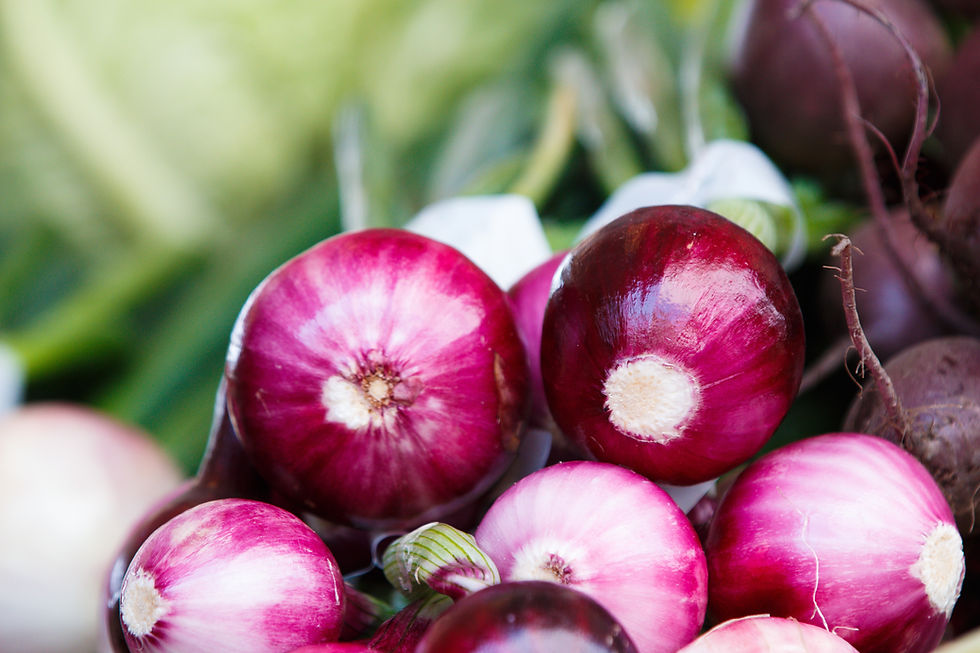
Why they help: Contain powerful antioxidants and compounds like quercetin and sulfur compounds.
Quercetin, in particular, helps inhibit the production of inflammatory chemicals such as histamines and prostaglandins.
These substances reduce oxidative stress and help regulate the immune response, making onions effective in lowering inflammation and supporting overall health.
11. Ginger

Why it helps: Ginger’s active compounds (gingerols and shogaols) can reduce pain and inflammation.
It has been used traditionally for arthritis, muscle pain, and digestive issues and helps inhibit the production of inflammatory prostaglandins.
12. Cruciferous Vegetables

Examples: Broccoli, Brussels sprouts, cauliflower, cabbage
Why they help: These veggies are packed with sulforaphane, an antioxidant that blocks inflammatory pathways.
They also help detoxify the body and support hormonal balance.
13. Beets

Why they help: Beets are rich in betalains, antioxidants with anti-inflammatory and detoxifying properties.
They're also high in nitrates, which improve blood flow and may lower inflammation and blood pressure.
14. Chia Seeds and Flaxseeds

Why they help: Excellent plant-based sources of omega-3 fatty acids (ALA), along with fiber and lignans, these compounds help reduce inflammation and improve heart and gut health.
15. Dark Chocolate (70% cacao or higher)

Why it helps: High in flavanols, which reduce inflammation, improve blood flow, and promote brain function.
Choose low-sugar varieties to avoid added sugars, which can cause increased inflammation.
Final Thoughts
Making small, consistent changes to your diet can lead to big improvements in how you feel day to day.
For seniors, focusing on anti-inflammatory foods is a simple and effective way to stay active, reduce aches and pains, and support long-term health.
Always consult your doctor or a dietitian before making significant changes to your eating habits, especially if you’re managing chronic conditions or taking medications.
Stay healthy, eat well, and enjoy the journey!
-Jesse Brenon, WellFitRoc


Comments